Jumping back to catch up on some earlier questions:
I’m going to hold off on trying to give comprehensive answers on those for a while yet. Some of that will become clearer as I write the rest of G2.
No, the 88% is just the ratio of total adult aristos to total annual Harrowings under the current regime. I’m not going to run the detailed math on an aristo genocide right now, because you’ll never really have the chance to do it Hegemony-wide (an MC who starts would either never reach or swiftly lose their continent-scale realm). As and when you try to do it in the territory you do control in G4 or 5, you’d get a pretty variable range of nobles depending on a bunch of factors. (And de Firiac would be only one of the many Pimpernels trying to help them escape Madame le Harrower).
Depends on your tastes. Nothing along the epic dark magic dimension, no. But I hope Azthyme is right that it’ll still feel pretty epic. 
It’s a transition plan, and one where the faction will be ready to shift back to other means depending on how things develop.
Yeah, that’s what I figured would be the majority reaction. Especially since losing Ennearch Ocharsis, the archmage responsible for the Lykeion, will be a harder hit to the Hegemony than any other single Ennearch other than Thaïs.
Something like that could probably be achieved, yes. Bringing in part of Erezza on equal terms into a “triarchy” would be more of a challenge.
I won’t say a hard no, but I’m not currently planning to write one. Let’s see where the story goes.
When it comes to land reform and justice, you have a choice: satisfy the aristos at the helots’ expense, satisfy the helots at the aristos’ expense, or try to walk a middle road that upsets all of them while (hopefully) keeping the level of discontent manageable. “Wealth loss” or fear of reduced yields would not be the aristos’ first objection to your reform schemes; land isn’t just the primary means of production, it’s the cornerstone of their social status and power. You couldn’t pay them enough for losing that. Restorative justice, much as I personally love it, is not going to satisfy Kalt, and most aristoi would still experience it as a painful humiliation.
Jev likes the status quo and certainly wouldn’t want to see Nyrish nomadic pastoralism die out. O would like to see a sustainable nomad population on the plains, coexisting and commingling with a vibrant urban culture. But o’s least preferred future would be a Nyryal dominated by a brutally extractive nomad faction whose Theurgic elite developed a predatory version of the pastoralist ethos over decades of deployment in the military zone on the Erezza-Halassur border. You might get to hang out with them in G4 Ch1 and see what you think.
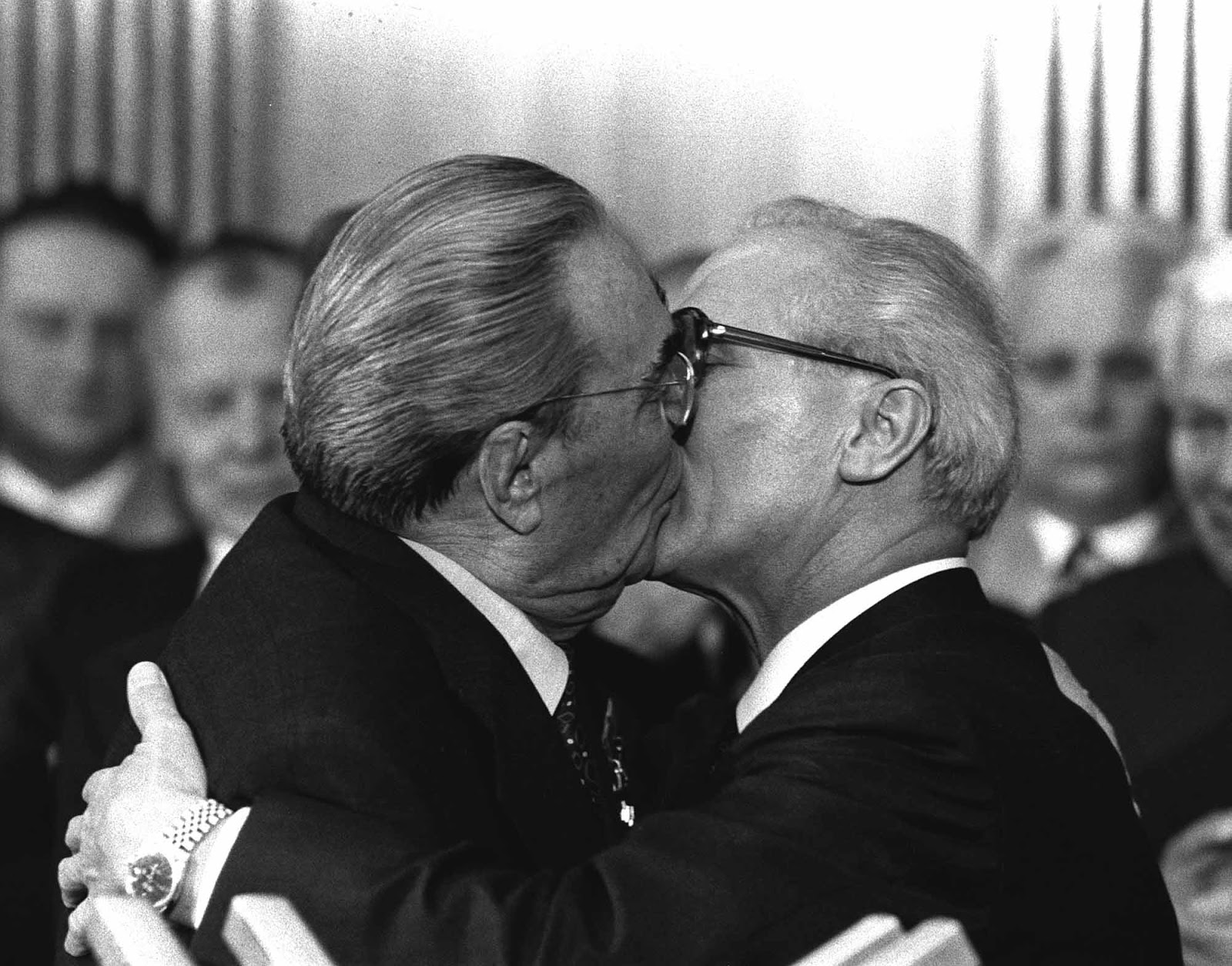
Like Gorbachev, she’s trying to reform the Hegemony to save it, and would be open to cautious liberalizing reforms if she believed they might help in that cause. (The majority of Ennearchs are more like Brezhnev, trying to save the empire with rigidity and repressiveness.) Phaedra has limited scope to implement most of her reforms in G3-G4 – the Diadoche is a future power-holder, not the current one – so unlike Gorbachev won’t be blamed too much for the collapse of the old order, and will have the opportunity to really come into her own once the Hegemony has at least half-collapsed.
I assume you mean if you stood, fought, and won? It depends on what you consider “significant.” It will make a lot of people more excited about your rebellion, and others more fearful. It will make the Keriatou look better and (all else being equal) help them establish a firmer grip on the Outer Rim, rather than being displaced by the Pelematou. It gets your followers more arms.
Any rebellion that doesn’t want to lock in deference to Karagon and oppression for the helotry will need to make changes to the current Codex of Laws. You can try to promulgate a whole new code, or just try to amend the most unhelpful bits of the current version. I’ve said I can’t give a lot more detail on that at the moment.
That is I think likely to be a feature of every single gameworld state.
There definitely will be. It’s not an insoluble problem, but it is a significant one that will demand time and resource from a land reforming MC.
Promoting local elections would I think absorb state capacity rather than free it up. Your existing local social structure is aristocratic and patron-client based; if you want to free up state capacity, you ride on that, let the existing local elites be your agents, and build your own patronage network that includes them. Launching a system where the local elites have to periodically face a wider group of electors – even if that’s just the wider noble/merchant population, let alone the yeomanry, let alone the helotry – would have stability advantages in the medium to long run, but it would be destabilizing in the short run, and it would require a significant amount of state attention to keep that destabilization from turning violent.
Yes, various consultative councils and charters should be possible along those lines. They won’t stop a continent-scale empire from being visibly brittle and vulnerable to revolt at the end of the game; but they’ll be helpful at more manageable scales.

 ?