
I recently discovered I described a grand hall after a wedding as covered in decorations. No mention of what decorations or where they were. Truly breathtaking worldbuilding going on in that scene haha.
5 Likes
Truly breathtaking scene-setting at the least, not sure the decorations are that important in world-building sense (well, depends on what they are… if they’re, say, pieces of downed enemy spacecrafts in medieval fantasy, then it’s important worldbuilding-wise). 
2 Likes
You are probably correct haha. But I like to think that every scene builds a part of the world in some way. Which is perhaps why my descriptions are so lacking. I want items in a room to paint a character or share lore into some history or culture that is not mentioned in dialogue.
Because the way I see it, if it’s understood as common and ordionary, why would anyone speak about it? I don’t explain why salt and pepper is on a cafe table for example.
5 Likes
I’ve… honestly not had that fear. Or, rather, I get worried that I’ve screwed up the newer LGBTQIA+ vocabulary more than I worry about transphobia or homophobia comments. Is it a known issue here?
Hmm.
4 Likes
I would certainly be confused at the thought of putting either one in my coffee, so I would appreciate an explanation of that if I ran across it! 
4 Likes
What? Is cafe just drinks? Are there not food cafes?
4 Likes
The ones I’ve seen serve usually sweet pastries! Why would I want pepper on my Danish pastry???
(Also I’ve never seen a café with anything on the actual sitting tables, all the extras you might want are on a dedicated extras-table somewhere.)
3 Likes
Okay, well I think we have different definitions of words. When I think of a cafe, I image breakfast food and sandwiches. A restaurant then lol My point was just that things that seem basic to most people are rarely explained in great detail
4 Likes
Ahh, I love that lol
Like in my uni there was a cafe, but was also called a dining hall but was more like an… Open restaurant tbh
It’s interesting to see how certain word are, I guess, interpreted or convey different imagery
5 Likes
I dunno if it’s just a British thing, but there is a huge difference between a cafe and a café. One serves greasy food all day and the other coffee and pastries.
Accents are optional but pronunciation isn’t. Lol.
7 Likes
Oh hey that’s another thing!
Imo if it’s cafe I assume it has food and stuff. Basically just a modern/ ‘hip’ small restaurant lol
If just coffee and pastries then it’s more of a coffeeshop
4 Likes
I also admit I misread “cafe table” as “coffee table” and the only reason I can imagine one would have any kind of food-related stuff on it is because you’re serving coffee. 
That’s interesting. We don’t use either – we have a Finnish word for that, which practically translated to “coffee place” while restaurant translates to “food place” – except, from my experience (which is limited, it’s possible I’ve missed something significant) in places that try to look fancy, in which case the accent is required because it wouldn’t look fancy otherwise, or in places that make fun of the fancy places, in which cases the accent is also required because it wouldn’t be making fun of the fancy places otherwise. I don’t think I’ve ever seen “cafe” out in the wild.
(I haven’t been keeping an eye on what the signs for tourists that are in English say, though.)
4 Likes
I’ve always associated ‘kaf’ (cafe) as being short for cafeteria, which is a self service restaurant, but also colloquially as a greasy spoon diner type of establishment, whereas ‘kafay’ (café) was a coffeeshop, although might also be used for a more upmarket cafeteria as well. You would instantly know if you were in one or the other, although the actual spelling wouldn’t be important, but the pronunciation would be.
3 Likes
Ah, so the food place type A (we have multiple words for “food”, go figure).
2 Likes
The advantage of working in something of a niche with a relatively low overhead is that you don’t have to please everyone. The potential player base is wide enough and the number of people you need to like your game is small enough that you have the freedom to make the creative choices you want, and stick by them.
If some people wanna get skill issue’d by their own inability to engage with a character because of their gender identity or orientation or race, or anything else, then that’s a problem for them, because so long as you deliver on your premise in a way which appeals to the people who can manage the basic human standard of accepting the full range of humanity in a fictional narrative, then you’ll be fine.
17 Likes
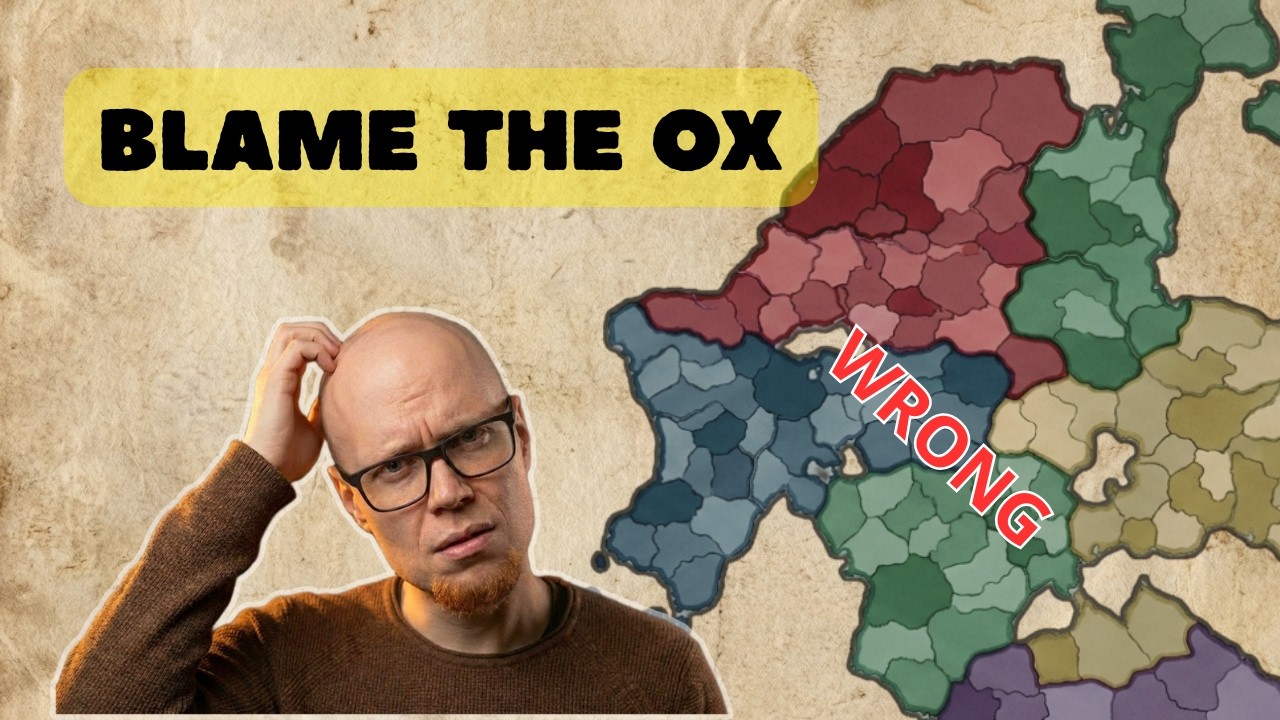
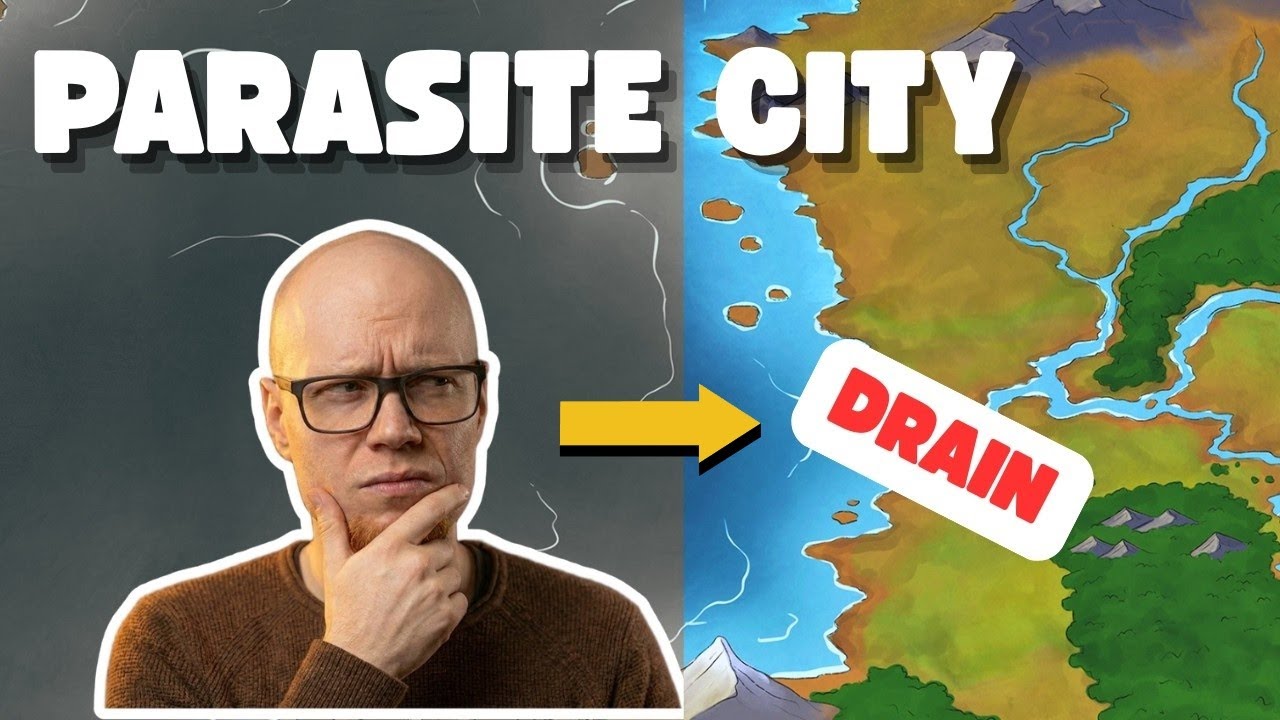
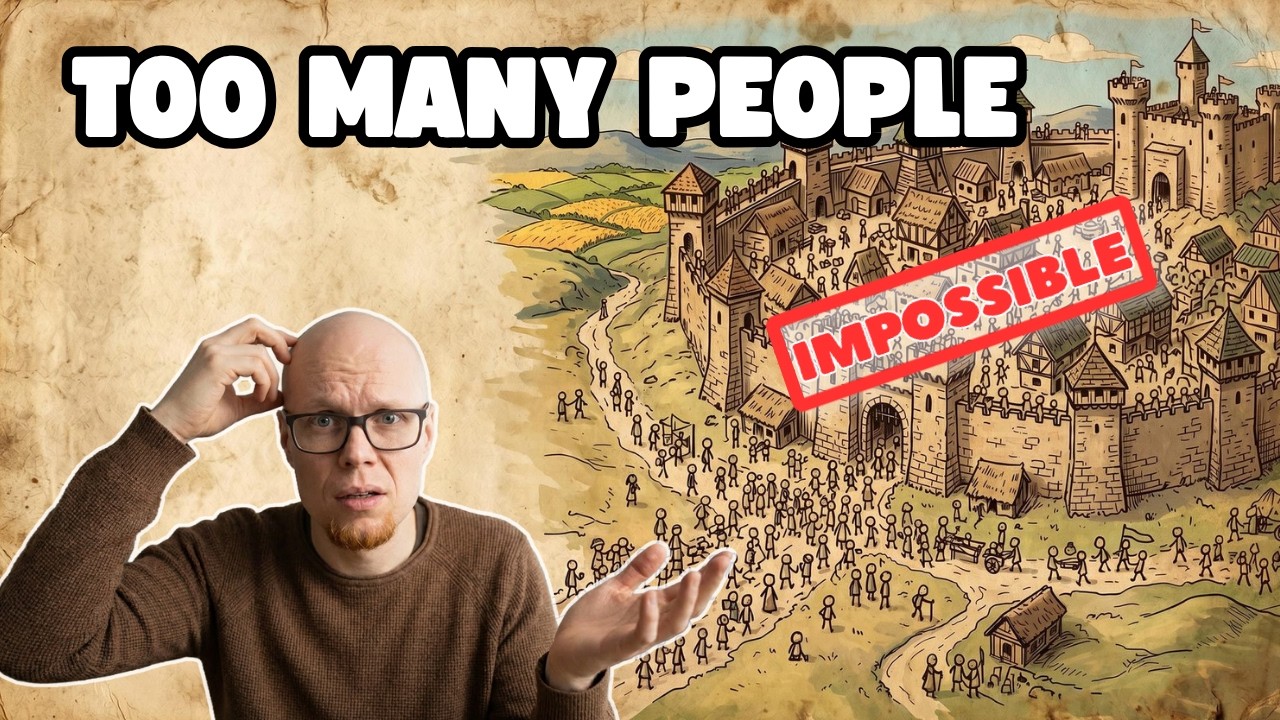
For anyone working on a WIP in a medieval setting who cares about accurately depicting things like logistics, city placement, population figures and such, these three videos can offer some pretty interesting insight:
21 Likes
I find these sort of world-building videos so interesting, though I’ll admit that often my world-building is just “cool stuff I’ve seen in other fantasies” and how those ideas would interact with each other. Thanks for sharing!
Speaking of videos, I recently watched Jed Herne’s video on writing for the Choice of Games label. It’s interesting to see how CoG handles things vs traditional book publishers
15 Likes
The thing to remember about “grounded” fantasy, is that this kind of “grounding” doesn’t come from grimdark or everyone behaving like a psychopath, but about drawing your characters and settings from history, rather than the tropes of other fantasy work.
14 Likes
In my experience, the most “grounded” thing you can do in a “medieval European” fantasy is to base your setting on a specific time period, in a specific region, rather than an absurdly broad swathe of history. If you tell me the setting is “medieval European”, I’ve learned nothing. Tell me that it’s based on 12th century Normandy, and now I have some kind of idea of what to expect.
9 Likes
I just have a horrible feeling that we’re gonna see a deluge of fantasy stories featuring “naturally rebellious river lords”
5 Likes